
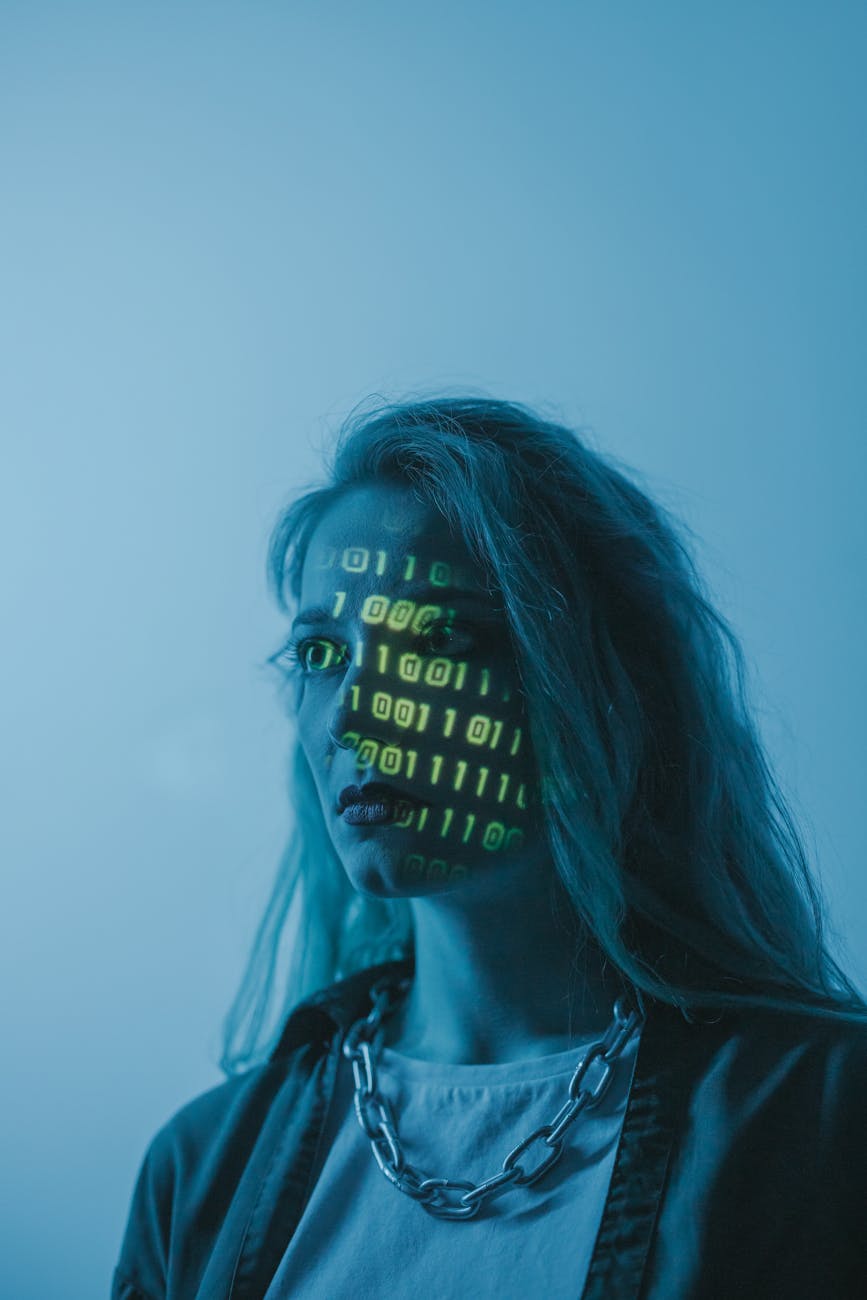
Algorithms have become an invisible force in this ever-evolving world of social media. It controls almost every aspect of our virtual experience. From Instagram to TikTok, algorithms determine the content we see, when we see it, and how we interact with it. However, what is often overlooked is how these algorithms impact the content we create—whether it’s for personal, professional, or business purposes.
What Are Social Media Algorithms?
In simple terms, an algorithm is a set of rules and instructions used by social media platforms to determine what appears in our feed. The main goal is to provide a relevant and engaging experience for each user. By studying our behavior patterns—what we like, what we comment on, who we follow—algorithms personalize the content that appears to suit our preferences.
But algorithms don’t just influence what we see; they also have a significant impact on what we create and how we create it.
1. Changing the Way We Create Content
One of the biggest effects of algorithms is the way they have changed how we create content. In the past, many people created content based on personal desire and creativity. Today, with the presence of sophisticated algorithms, many content creators now consider the elements favored by algorithms, such as:
- Engagement: Content that gets more likes, comments, and shares is often prioritized. This encourages creators to focus on topics that can spark discussions or emotional reactions.
- Watch Duration: On platforms like TikTok and YouTube, algorithms prioritize content that keeps viewers watching for longer periods. This has led creators to focus on making longer or more engaging videos.
- Consistency: Algorithms also reward consistency. Content creators who upload regularly are more likely to get more exposure. Many now establish regular posting schedules, something that may not have been as important in the past.
2. Viral Content: The Algorithm’s Key
Every content creator wants to make something go viral, and algorithms play a crucial role in making this happen. For example, TikTok is famous for its ability to turn initially unknown videos into viral hits in a short amount of time. But this doesn’t just happen by chance—algorithms analyze several factors, such as:
- Hashtags: Using popular or relevant hashtags can help content get discovered by a wider audience.
- Trends: Algorithms often push content that relates to specific trends. This drives creators to focus on following trends rather than creating something entirely original.
- Social Interaction: When audiences interact with content (commenting, sharing, or liking), the algorithm assesses the content as more relevant and promotes it further.
However, this also means that creators can get caught up in trying to chase short-term popularity rather than producing deeper or more original content. This creates a “viral spiral,” where many people follow a specific formula just to get noticed by the algorithm.
3. Adapting to Algorithm Changes
Social media algorithms aren’t static; they’re frequently updated and modified to improve user experience. When algorithms change, creators need to adapt or risk losing their reach. For example:
- Facebook and Instagram: Initially, feeds on both platforms were dominated by a chronological order. However, after the introduction of interest- and engagement-based algorithms, many users found it harder to reach their audience unless they produced content that sparked more interaction.
- TikTok: TikTok’s algorithm uses factors like watch time, replays, and user interaction with content to select which videos are worthy of appearing on the “For You” page. This has pushed creators to focus on making highly engaging videos rather than just following trends.
Adapting to these changes is a challenge for creators who rely on these platforms to reach their audiences. Sometimes, algorithm changes not only affect reach but also influence how audiences respond to the content that is posted.

4. Impact on Marketing and Business
For brands and businesses, understanding algorithms is crucial for crafting effective marketing strategies. Many brands now collaborate with influencers who already understand how to leverage algorithms to increase visibility and engagement. This has created a new dynamic in the marketing world, where algorithms can be a powerful tool for those who know how to use them.
However, there is a darker side. As algorithms become more sophisticated, there are concerns that paid or sponsored content is given higher priority over organic content. This shifts the landscape of digital marketing and creates new challenges for smaller businesses that may not have the budget for paid advertising.
5. Controversies and Social Impact
Beyond content creators and businesses, social media algorithms also have significant social implications. Some critics argue that algorithms can exacerbate social polarization, as they tend to amplify content that triggers emotional reactions, whether positive or negative.
Additionally, there are concerns about the filter bubble, where algorithms only show content that aligns with a user’s worldview, isolating them from other perspectives. This can worsen information imbalance and affect how we interact with others in the digital world.
Conclusion
Social media algorithms are a powerful force in today’s digital world. They influence not only what we see but also how we interact with platforms and create content. As creators, both individuals and businesses, we must continuously adapt to algorithm changes to stay relevant and effective. However, with all the power algorithms hold, we must also be mindful of the challenges they present, such as content uniformity and information polarization. Behind the seemingly intelligent algorithms lies a great responsibility to maintain the diversity and integrity of the content we create and consume.
 Cocosign Creative Studio
Leave a comment